Featured
The Resources Available for Your Financial Recovery Journ...
6 Simple Techniques For What to Watch For While Researchi...
Some Of Understanding Fees for Payday Loans vs. Debt Coun...

The Facts About Preventing New Debt Problems After Your F...
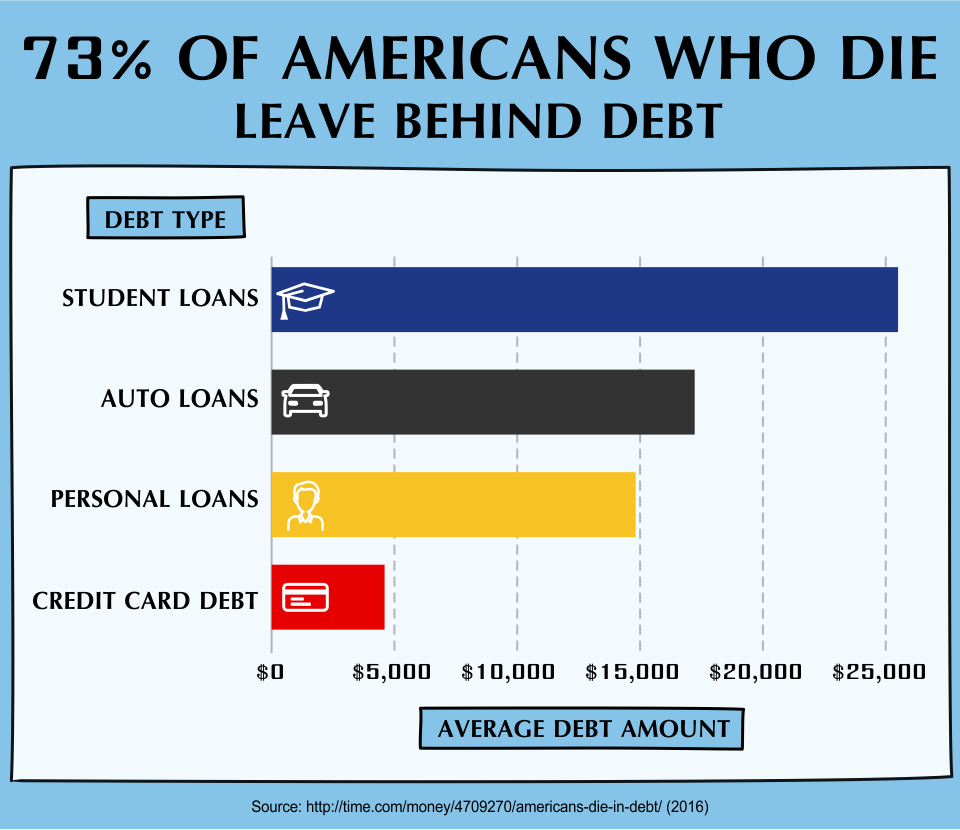
Everything You Should Prepare For In the Bankruptcy Process for Dummies
Table of Contents
The company will certainly pull a credit rating report to understand what you owe and the degree of your challenge. If the mercy program is the best service, the counselor will certainly send you an arrangement that information the strategy, including the quantity of the monthly settlement.
If you miss out on a payment, the agreement is squashed, and you should exit the program. If you assume it's a great option for you, call a therapist at a nonprofit debt therapy firm like InCharge Financial obligation Solutions, who can address your questions and aid you establish if you certify.
Since the program allows debtors to choose much less than what they owe, the lenders that get involved desire reassurance that those that make the most of it would certainly not be able to pay the full amount. Your charge card accounts likewise have to be from banks and credit card business that have concurred to take part.
If you miss a settlement that's simply one missed repayment the arrangement is ended. Your lender(s) will cancel the plan and your equilibrium goes back to the original amount, minus what you have actually paid while in the program.
An Unbiased View of The Advantages and Disadvantages When Considering Debt Forgiveness
With the forgiveness program, the lender can rather choose to maintain your financial obligation on the publications and recover 50%-60% of what they are owed. Nonprofit Charge Card Debt Forgiveness and for-profit financial debt settlement are comparable because they both provide a means to resolve charge card debt by paying less than what is owed.
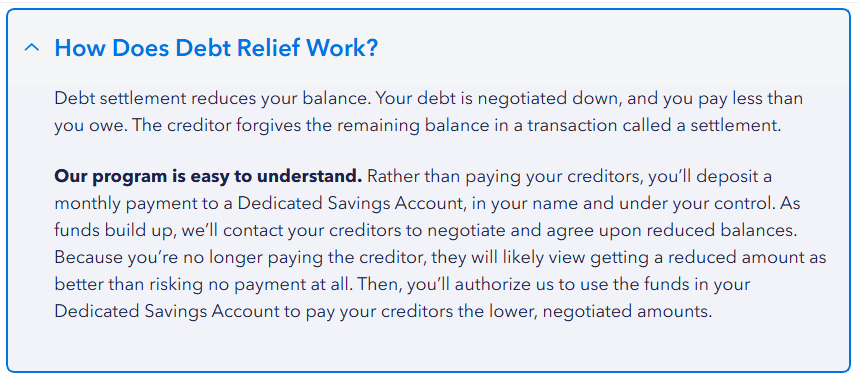
Credit score card forgiveness is developed to set you back the customer much less, pay off the financial debt quicker, and have fewer disadvantages than its for-profit counterpart. Some vital areas of difference between Credit scores Card Debt Forgiveness and for-profit debt negotiation are: Charge card Financial obligation Forgiveness programs have relationships with lenders who have accepted get involved.
Once they do, the reward period begins immediately. For-profit debt settlement programs discuss with each financial institution, normally over a 2-3-year period, while rate of interest, costs and calls from debt enthusiasts proceed. This means a larger hit on your credit scores record and credit history, and a boosting balance up until negotiation is finished.
Credit Card Debt Mercy clients make 36 equal monthly repayments to remove their financial debt. For-profit financial obligation negotiation clients pay into an escrow account over an arrangement period towards a lump amount that will certainly be paid to financial institutions.
The 45-Second Trick For How to Connect With APFSC with the Financial Recovery Journey
Throughout this time around, charges might boost, and passion accumulates, so repayments may wind up not being budget friendly for customers. Clients stop making settlements to their credit history card accounts. Calls from debt collection agencies continue and creditor-reported non-payments remain to damage the client's credit score record. Enrollment in a Debt Card Financial debt Forgiveness quits calls and letters from financial obligation collection and recuperation firms for the accounts consisted of in the program.
For-profit financial debt negotiation programs don't quit collection activities till the lump-sum repayment is made to the creditor. Nonprofit Charge Card Debt Mercy programs will certainly tell you in advance what the monthly charge is, capped at $75, or less, relying on what state you reside in. For-profit financial debt negotiation business may not be clear about fee quantities, which frequently are a portion of the balance.
How How to Use Credit Cards Wisely to Avoid Debt : APFSC Safeguards Your Property for Dummies
For-profit financial obligation settlement likely will hurt it more, since you won't be paying creditors throughout the 2-3 year negotiation/escrow duration, however they have not accepted a plan or obtained any type of money, so they're still reporting nonpayment. This is on top of the credit history hit from not paying the complete amount.
Debt consolidation likewise comes with a reduced rate of interest price than what you were paying on your credit report cards, making the regular monthly costs, as well as overall prices, much less. Bank card financial debt combination's most typical kinds are debt administration plans, debt consolidation car loans, or a zero-interest transfer charge card.
To get a debt combination loan or a zero-interest balance transfer credit score card, you require a credit scores rating of at the very least 680. Credit rating isn't a variable for debt administration program, yet you need an enough income to be able to make a monthly repayment that will cover all of the accounts consisted of in the program.
Insolvency is the last resource for someone who has more financial debt than they can pay. Nonprofit Bank Card Financial debt Forgiveness won't get rid of almost as much financial obligation as insolvency does, but it likewise has less of the resilient unfavorable financial effect insolvency brings. It can be the action you absorb order to stay clear of insolvency.
4 Simple Techniques For Bankruptcy Basics Before You Decide
Personal bankruptcy will certainly get rid of all qualified unsafe debt. Credit Score Card Debt Forgiveness will certainly have an unfavorable influence on your credit scores score because full balances on accounts were not paid.
Charge Card Debt Forgiveness payments start as quickly as you're accepted right into the program. Personal bankruptcy authorization and discharge can take 6-12 months. Collection activities and claims on Bank card Debt Mercy clients are quit when creditors concur to the strategy. Declaring for bankruptcy sets off an automatic remain on collection activities and suits, and uses defense from harassment by creditors, but if the court doesn't authorize the insolvency, those will launch once more.

Table of Contents
Latest Posts
The Resources Available for Your Financial Recovery Journey Ideas
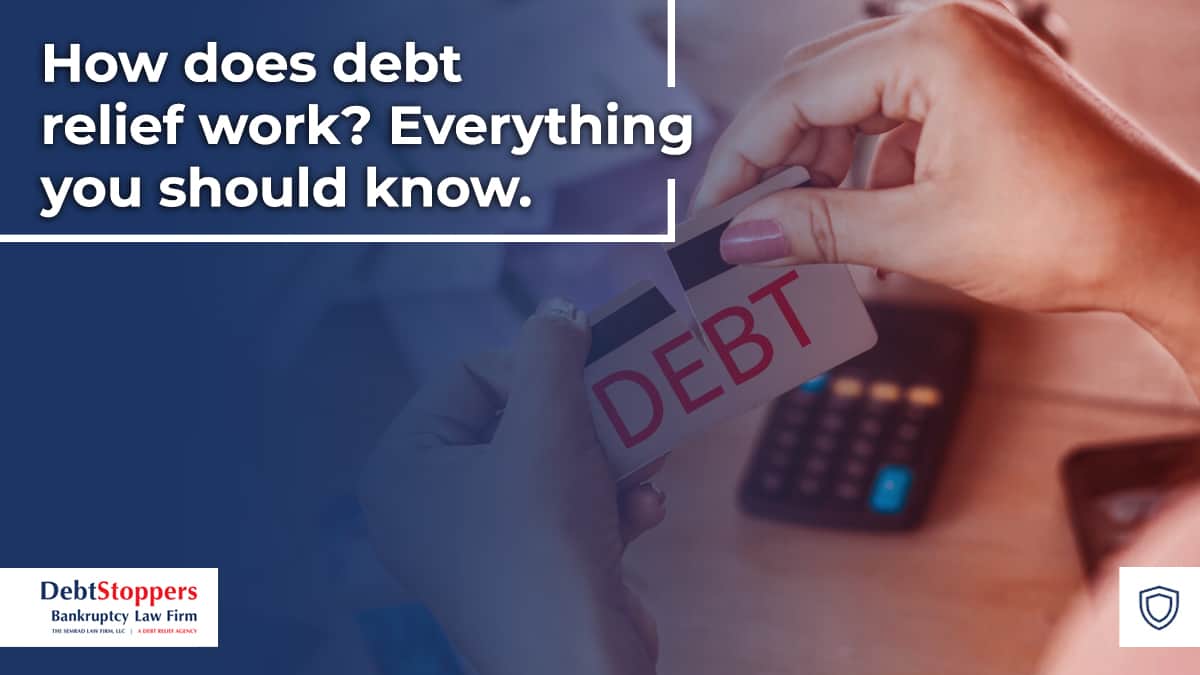
6 Simple Techniques For What to Watch For While Researching a Importance of Financial Literacy for Better Management : APFSC Provider
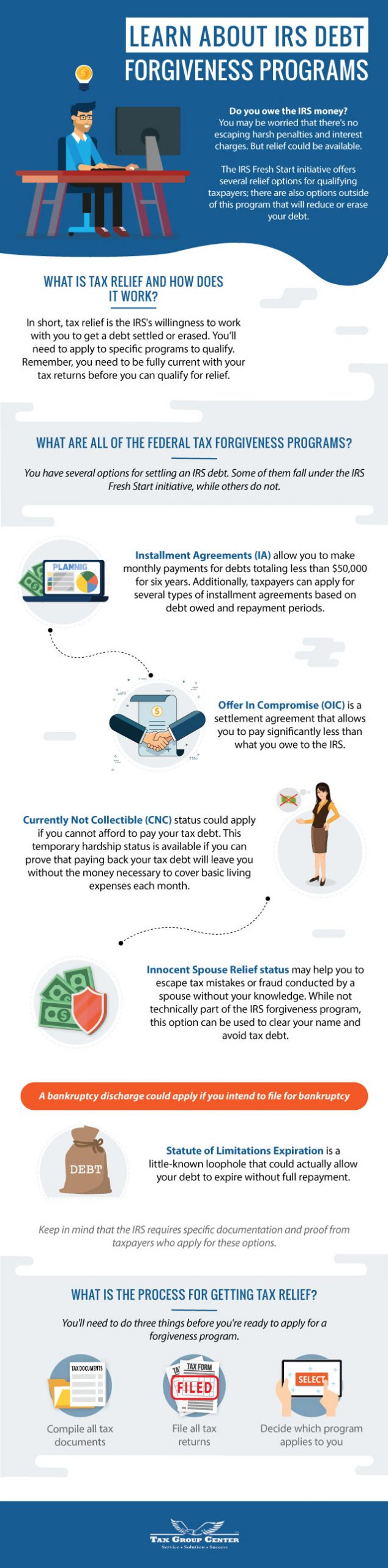
Some Of Understanding Fees for Payday Loans vs. Debt Counseling: How to Break Free from the Payday Loan Cycle
More
Latest Posts
The Resources Available for Your Financial Recovery Journey Ideas
Some Of Understanding Fees for Payday Loans vs. Debt Counseling: How to Break Free from the Payday Loan Cycle